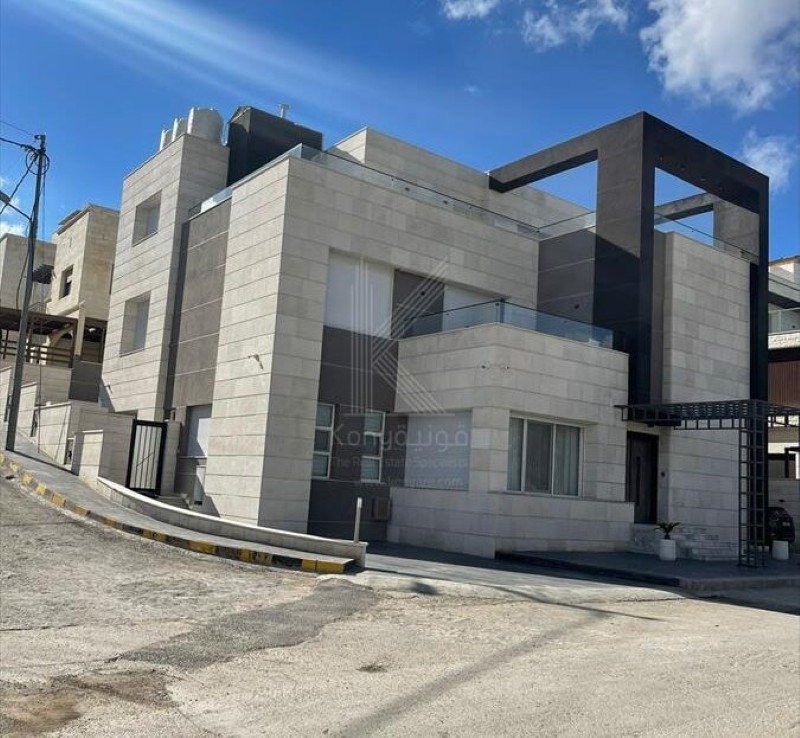
Use this practical checklist before purchasing a house or apartment; it covers structural condition, utilities, location, and legal documentation.
A property might look perfect at first glance, but certain details are not always apparent in photos or during a brief visit. A systematic inspection helps you uncover potential issues before committing to a purchase.
1. Structural Inspection
Begin by examining the condition of the walls, ceilings, and floors. Look for significant or recurring cracks, unusual settling, and signs of water leakage.
Not every crack indicates a structural risk; however, some signs—especially those that are wide, expanding, or accompanied by other changes to the building—warrant an assessment by a qualified engineer.
2. Checking Utilities and Systems
Inspect the electrical and plumbing systems. Verify water pressure and drainage, and check the condition of faucets, pipes, and electrical outlets. It is also important to ensure there is adequate ventilation in the kitchen and bathrooms.
If the fixtures or systems are old, request an estimate for the potential cost of repairs or replacements.
3. Inspecting for Dampness and Insulation
Dampness may manifest as stains, peeling paint, or an unusual odor. Rather than simply repainting, try to identify the underlying source of the moisture.
Additionally, check the condition of windows and doors—look for air or water leaks—and assess the quality of the property’s insulation.
4. Evaluating the Location and Building
Assess the accessibility of the property, the condition of stairwells, entrances, and shared facilities, as well as the functionality of any elevators. It is also advisable to visit the area at different times to gain a better understanding of noise levels, activity, and available local services.
5. Reviewing Legal Documents
Verify the seller’s identity and legal standing, the property title deed, and whether the property details match the actual situation on the ground. Also, check for any rights or restrictions that might affect the sale. Since the required procedures and documentation vary depending on the nature and legal status of the property, it is best to consult with a local expert.
6. Estimating Additional Costs
Make a list of any necessary fixtures or repairs, and factor these into the asking price when comparing the property to others. A lower-priced property might require costly work, ultimately making its final cost higher than expected.
Conclusion
A thorough inspection goes beyond the property’s appearance; it encompasses technical, legal, and financial aspects. Take your time with the assessment, seek professional help when needed, and do not make a purchase decision until you have verified all essential information.

Keep Reading
Related Articles

How to Choose the Right Residential Property in Syria? A Comprehensive Guide for Buyers
Learn about the key criteria for choosing a suitable residential property in Syria—from location and size to the condition of the building…
Read More
How do you choose the right location for your home?
Discover the factors to consider when choosing a home’s location—from access to services and transportation to the neighborhood’s atmosphere and your family’s…
Read More